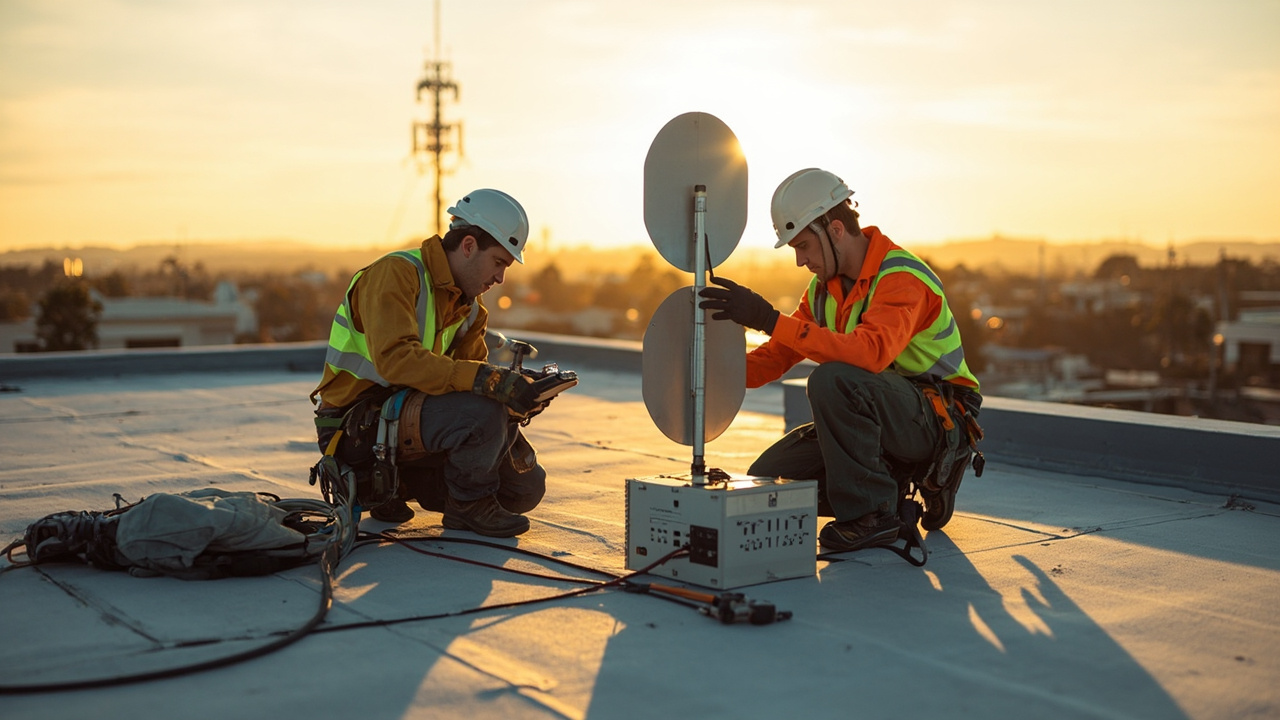
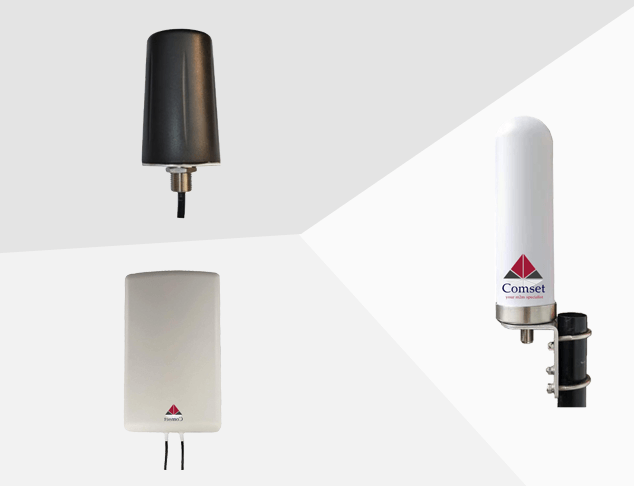
Use an omnidirectional antenna when signals may arrive from different directions, the equipment moves, there are several usable towers, or simple installation is more important than maximum gain in one direction. It is common for vehicles, vessels and sites with reasonable general coverage.
A directional antenna is useful at a fixed fringe-coverage site where testing identifies a suitable tower and interference can be reduced by focusing the antenna. It requires careful alignment and may be less resilient if network conditions change. For MIMO, the complete antenna arrangement and polarisation matter. Choose based on measured conditions, not only distance to the nearest tower.
Public Q&A
When should a site use an omnidirectional antenna instead of a directional antenna?
Useful next steps
Use this answer as a practical starting point. Current scope, specifications, compatibility, availability, pricing, timing and next steps should be confirmed directly with Comset where they affect a decision.
Related Topics
Continue Through Related Topic Pages
Explore more topic pages connected to this answer.





Related visual examples
A short visual sample connected to this answer or its topic.