
A managed cloud tunnel is usually quick to deploy and works through carrier-grade NAT, with central user and device management. The trade-off is dependence on the provider’s platform, subscription and security model. A private APN can give many SIMs controlled connectivity through the carrier, but it normally requires carrier setup, commercial arrangements and routing into the organisation’s network.
A conventional VPN gives the organisation more direct control, but it needs a reachable endpoint, certificate or key management, monitoring and expertise. No option is universally best. A small fleet may favour a managed tunnel; a large regulated deployment may justify a private APN or self-managed VPN. Compare ownership, support, audit requirements, recurring cost and failure modes.
Public Q&A
What are the trade-offs between a managed cloud tunnel, a private APN and a conventional VPN?
Useful next steps
Use this answer as a practical starting point. Current scope, specifications, compatibility, availability, pricing, timing and next steps should be confirmed directly with Comset where they affect a decision.
Related Topics
Continue Through Related Topic Pages
Explore more topic pages connected to this answer.





Related visual examples
A short visual sample connected to this answer or its topic.
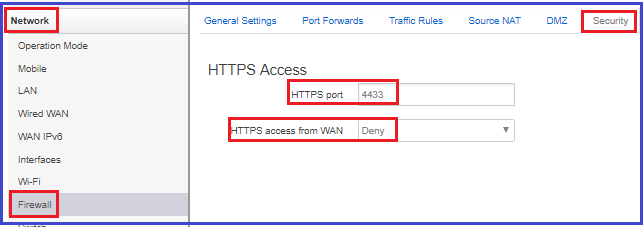 security configuration screenshotComset router firewall settings screen for HTTPS management-port and WAN-access controls.
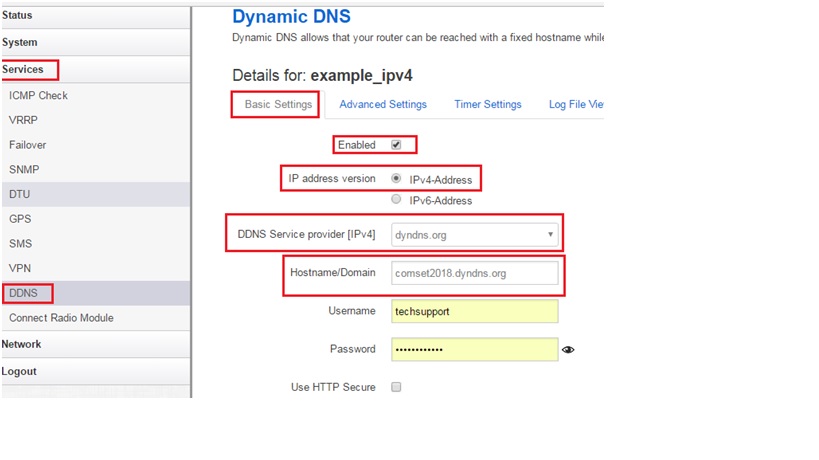 configuration screenshotComset router Dynamic DNS settings screen showing provider, hostname and IP-address configuration.
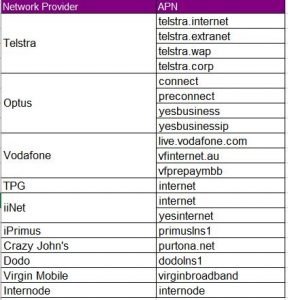 FAQ reference chartReference chart listing common Australian mobile-network providers and their APN settings.
 secure remote access without public ipReaching routers and connected equipment when mobile services use private addressing or carrier-grad…